
Lung cancer is one of the most common cancers and the leading cause of cancer-related deaths worldwide. Because early-stage lung cancer often has no obvious symptoms, many patients are diagnosed at an advanced stage. In addition to surgery, targeted therapy, immunotherapy, chemotherapy, and radiation therapy, managing treatment side effects and maintaining quality of life have become major concerns for patients and their families.
In recent years, Traditional Chinese Medicine (TCM) has become an important part of integrative cancer care. Individualized herbal medicine and acupuncture may help relieve fatigue, poor appetite, dry mouth, cough, and other discomforts, allowing patients to better tolerate cancer treatment and maintain daily functioning.
Can Quality of Life Still Improve in Stage IV Lung Cancer? A Real Patient Story
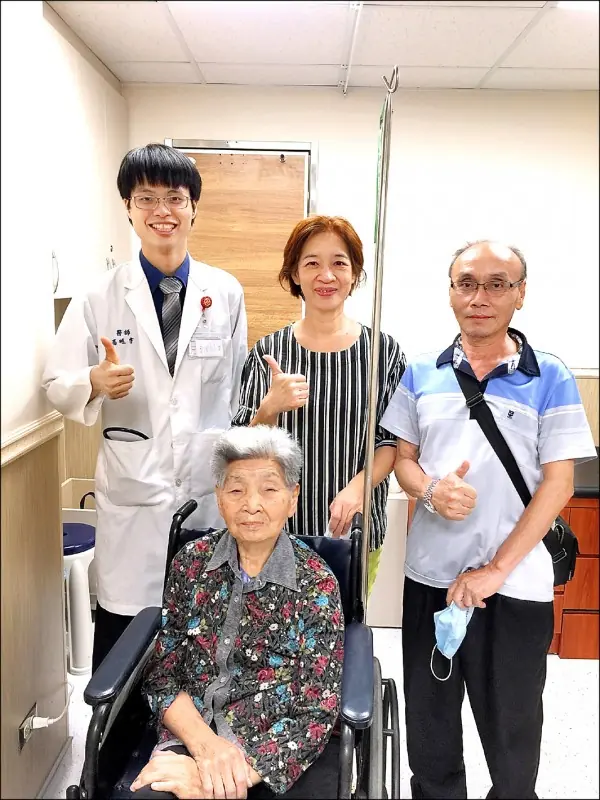
“Dr. Kao, my mother used to feel so tired after being diagnosed with lung cancer that she wanted to sleep by 7 p.m. every evening. Since taking the Chinese herbal medicine, her energy and appetite have improved dramatically. Even our neighbors say that this 89-year-old grandmother looks younger, and her hair has become darker.”
This was the heartfelt feedback from the daughter of an 89-year-old patient.
The patient was diagnosed with Stage IV lung cancer one and a half years earlier, with metastases to the brain and pleura. After receiving standard Western medical treatment, her tumor was successfully controlled. Combined with TCM supportive care, her energy, appetite, and overall daily functioning improved significantly, leading to a much better quality of life.
This case illustrates that even patients with advanced lung cancer may benefit from integrative care. When TCM is used alongside evidence-based cancer treatments, it may help reduce treatment-related discomfort and improve overall well-being.
What Are the Main Treatments for Lung Cancer?
Treatment depends on the cancer stage, pathological type, genetic mutations, and the patient’s overall health. Common treatment options include:
- Surgery
- Targeted therapy
- Immunotherapy
- Chemotherapy
- Radiation therapy
For patients with early-stage lung cancer who are eligible for surgery, prompt surgical treatment usually offers the best chance for cure. Advanced-stage patients typically receive personalized treatment based on genetic testing and tumor characteristics.
Can TCM Help Relieve Cough After Lung Cancer Surgery?
Some patients develop persistent dry cough or throat irritation after lung cancer surgery.
From a TCM perspective, surgery may consume the body’s Yin and affect lung function. Herbal medicines with Yin-nourishing and lung-moistening properties, such as Ophiopogon japonicus (Mai Men Dong) and Schisandra chinensis (Wu Wei Zi), may help reduce postoperative dry cough and throat discomfort, supporting a smoother recovery.
Can TCM Help Manage the Side Effects of Targeted Therapy?
Patients with specific genetic mutations are often treated with targeted therapy.
Common side effects include:
- Paronychia (nail inflammation)
- Acne-like skin rash
- Dry or itchy skin
- Mouth ulcers
TCM treatment is tailored according to each patient’s symptoms and constitution. Herbal formulas that clear heat, nourish Yin, and strengthen digestive function may help alleviate skin and oral mucosal side effects, improving treatment tolerance.
Can TCM Help Reduce Chemotherapy Side Effects?
Patients without targetable genetic mutations, or those who develop resistance to targeted therapy, may receive immunotherapy, chemotherapy, or radiation therapy.
Common chemotherapy-related side effects include:
- Dizziness
- Nausea and vomiting
- Poor appetite
- Changes in taste
- Indigestion
- Fatigue
- Low white blood cell counts
- Numbness in the hands and feet
TCM provides individualized treatment based on symptom patterns.
Herbs traditionally used to tonify Qi and nourish Blood, such as Astragalus (Huang Qi), Codonopsis (Dang Shen), and Angelica sinensis (Dang Gui), may help improve fatigue, digestive symptoms, and appetite. For some patients experiencing low blood cell counts, kidney-tonifying herbs such as Cuscuta chinensis (Tu Si Zi) and Epimedium (Yin Yang Huo) may also be considered alongside routine medical monitoring.
Can TCM Help With Radiation Therapy Side Effects?
Radiation therapy to the chest may cause:
- Radiation dermatitis
- Esophagitis
- Radiation pneumonitis
- Pain when swallowing
- Increased coughing
TCM may use herbs with Yin-nourishing and heat-clearing properties, including Dendrobium (Shi Hu) and Honeysuckle Flower (Jin Yin Hua), to help relieve these symptoms and improve comfort during treatment.
What Can Be Done for Poor Appetite and Weight Loss in Advanced Lung Cancer?
Many patients with advanced lung cancer develop cancer cachexia, which is characterized by:
- Loss of appetite
- Significant weight loss
- Muscle wasting
- Fatigue
- Reduced energy
These symptoms can greatly affect quality of life and interfere with ongoing cancer treatment.
TCM focuses on improving digestive function, nourishing the body, and restoring energy through individualized treatment. Some studies suggest that supportive TCM care may improve quality of life and help patients maintain the strength needed to complete cancer therapy.
Can Lung Cancer Patients Receive TCM? Is It Covered by Health Insurance?
Patients with lung cancer may receive TCM treatment in outpatient clinics. In Taiwan, eligible hospitalized patients may also receive National Health Insurance-covered inpatient TCM consultations.
Supportive TCM care may include:
- Chinese herbal medicine
- Acupuncture
- TCM manual therapy when appropriate
Integrative care aims to reduce treatment-related side effects while improving patient comfort and overall quality of life.
How Can Lung Cancer Be Prevented?
To reduce the risk of lung cancer:
- Quit smoking as early as possible.
- Avoid exposure to secondhand and thirdhand smoke.
- Wear a mask during periods of poor air quality.
- Discuss low-dose computed tomography (LDCT) screening with your physician if you are at high risk.
- Seek medical evaluation promptly if you develop persistent cough, coughing up blood, chest pain, or unexplained weight loss.
If diagnosed with lung cancer, receiving timely treatment from a multidisciplinary team—including oncologists, thoracic specialists, and TCM physicians—may improve both treatment outcomes and quality of life.
Frequently Asked Questions (FAQ)
Can I receive TCM while undergoing conventional lung cancer treatment?
Yes. TCM is commonly used as supportive care alongside surgery, chemotherapy, radiation therapy, targeted therapy, and immunotherapy. It is intended to complement—not replace—standard cancer treatment.
Can TCM improve appetite after chemotherapy?
Many patients experience nausea, poor appetite, and digestive problems during chemotherapy. Individualized TCM treatment may help improve these symptoms and support nutritional status.
Can TCM help with skin problems caused by targeted therapy?
Yes. TCM may help relieve acne-like rash, paronychia, and mouth ulcers caused by targeted therapy. Patients should continue their prescribed cancer treatment and discuss any supportive therapies with their oncology team.
Can hospitalized lung cancer patients receive TCM?
In Taiwan, eligible hospitalized patients may receive National Health Insurance-covered TCM consultations. Treatments may include herbal medicine, acupuncture, and other supportive therapies based on individual assessment.
References
- World Health Organization (WHO). Cancer Fact Sheets.
- National Comprehensive Cancer Network (NCCN). Clinical Practice Guidelines in Oncology: Non-Small Cell Lung Cancer.
- European Society for Medical Oncology (ESMO). Clinical Practice Guidelines for Lung Cancer.
- Taiwan Health Promotion Administration, Ministry of Health and Welfare. Lung Cancer Prevention and Screening Information.
- Taiwan National Health Insurance Administration. Integrative Traditional Chinese Medicine Program for Cancer Care.